
1. Introduction
If you live in Colorado Springs, your roof has probably taken a beating and you might not even know it yet.
Hail doesn’t always smash windows or punch holes straight through your shingles. Sometimes, it leaves behind silent damage that gets worse with every passing storm.
Colorado Springs is part of the Front Range, a region known for frequent hailstorms due to its climatic conditions and historical data.
By the time you notice a leak or a water stain it’s already too late (and more expensive).
That’s why we made this guide.
We’re breaking down exactly how to spot hail damage, what to do after a storm, and why waiting even a few weeks could cost you big.

2. Why Colorado Springs Get So Much Hail
Colorado Springs is more than just Pikes Peak and stunning mountain views, it’s also one of the most hail-prone cities in the country.
At over 6,000 feet in the elevation, the city sits in a prime zone for severe storms.
The higher elevation means hailstones have less time to melt before hitting the ground, so they land harder and cause more damage. Damage severity can be influenced by factors such as the size of hailstones and wind speed, which can exacerbate the consequences of hail incidents.
Along with a volatile spring and summer weather pattern and you’ve got regular hailstorms in those seasons.
Colorado Springs consistently ranks among the top areas in Colorado for hail-related insurance claims.
If you own a home in Colorado Springs, hail damage isn’t a maybe, it’s a when.

3. Understanding Roof Damage
Roof damage can be a significant issue for homeowners in Colorado Springs, particularly when it comes to hail damage. Hailstorms can cause a range of problems, from minor cosmetic issues to severe structural damage. Understanding the types of roof damage that can occur is crucial for identifying the signs of hail damage and taking prompt action to repair or replace the roof.
Common types of roof damage include missing or damaged shingles, cracked or broken tiles, and dented or punctured metal roofing. Homeowners should also be aware of the potential for hidden damage, such as granule loss or cracked flashing, which can lead to costly repairs if left unchecked. A professional roofing contractor can provide a thorough roof inspection to identify any damage and recommend the best course of action for repair or replacement
4. What Hail Damage Looks Like
Hail damage isn’t always obvious, especially from the ground. Even small dents or cracks can lead to big problems if left unchecked.
Here’s what to look for:
On Your Roof:
- Bruised or missing shingles: Dark spots or sections where shingles are gone entirely.
- Granule loss: Looks like bald patches, these reduce your roof’s ability to protect against water.
- Cracked or curled edges: Can let moisture seep underneath.
On Your Windows & Frames:
- Cracked glass or broken seals: Especially in skylights or double-pane windows. Be cautious of broken glass to avoid injury.
- Dented or warped frames: Aluminum and vinyl frames are especially vulnerable.
On Your Siding & Gutters:
- Dents, dings, or holes: Particularly noticeable on metal or vinyl siding.
- Paint chipping or cracks: Can allow moisture into your walls.
- Gutter damage: Dents and sagging sections.
A lot of these things are easy to miss and that’s why it’s recommended to get a professional inspection.
That’s why here at Eagle Crest, we offer a free inspection to take the pressure off of you.
5. Hail Resistant Roofing Materials
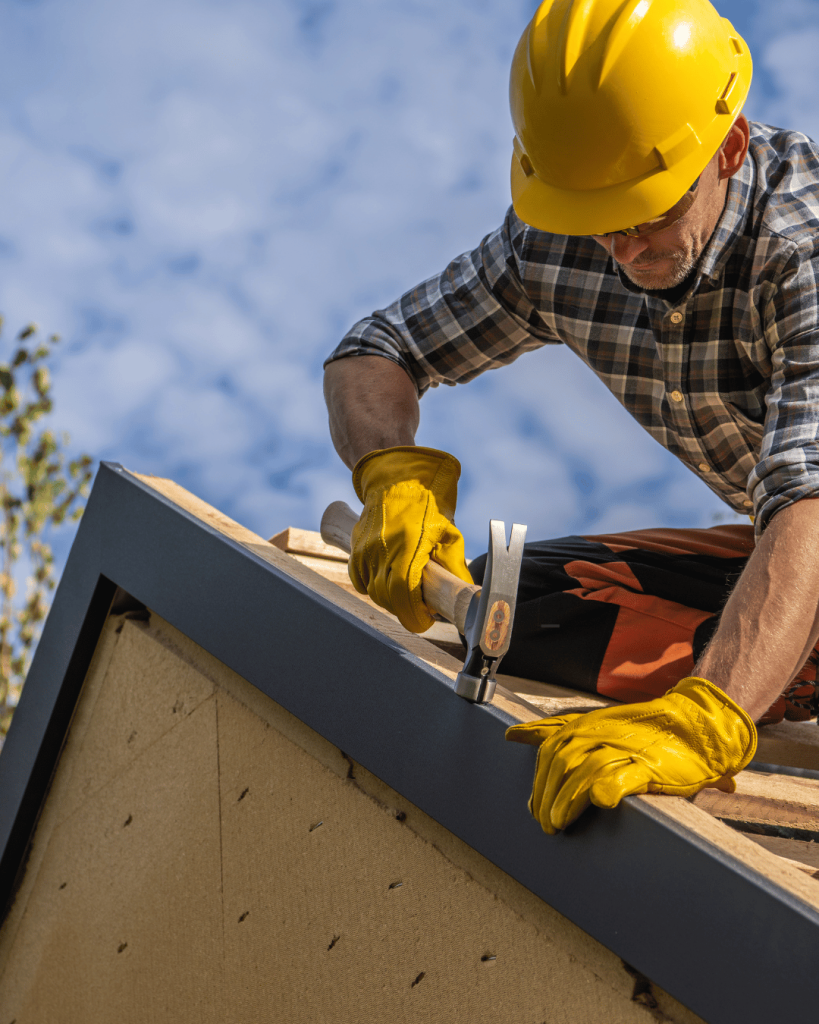
Hail resistant roofing materials are an excellent option for homeowners in Colorado Springs who want to protect their property from severe weather events. These materials are designed to withstand the impact of hailstones and other debris, reducing the risk of damage and costly repairs.
Some popular hail-resistant roofing materials include metal roofing, tile roofs, and impact-resistant asphalt shingles. Metal roofing, in particular, is a popular choice for its durability and ability to withstand high winds and large hail. Homeowners should consult with a professional roofing contractor to determine the best hail-resistant roofing material for their property and budget.
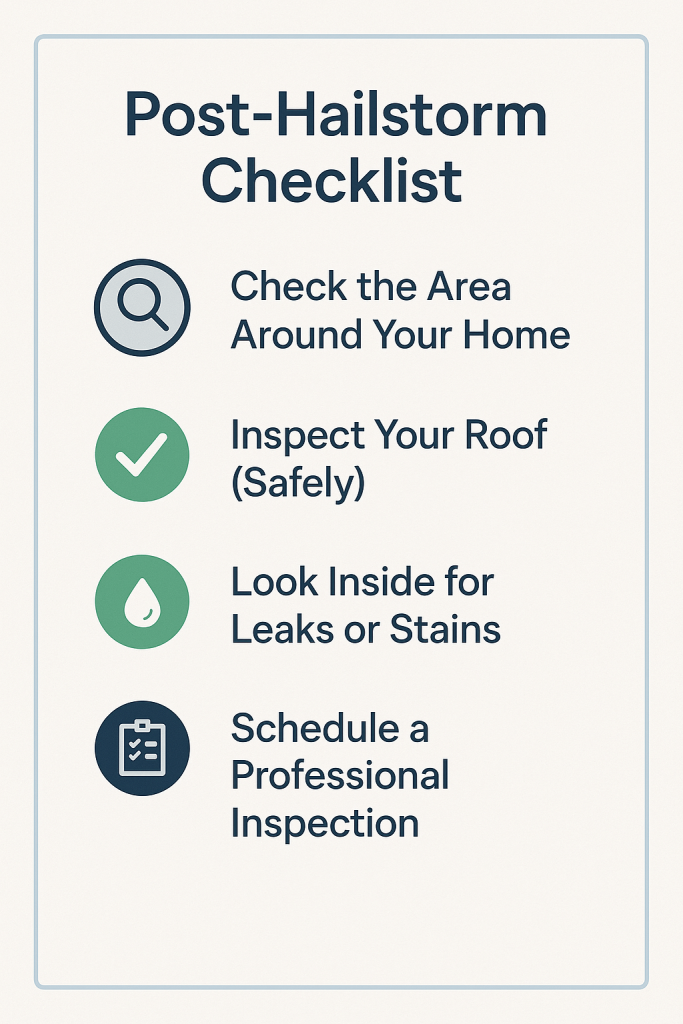
6. Post-Hailstorm Checklist
A hailstorm just rolled through your home in Colorado Springs, what’s next?
Acting quickly can be the difference between a simple repair and a full-blown replacement. Documenting damage with clear photographs and videos, including noting the date and time of the storm, is crucial for successful insurance claims and effective communication with professionals during the repair process.
Here’s how you can stay ahead:
1.Check the area around your home
Look for broken branches, dented patio furniture, or shredded plants. If the hail was strong enough to damage your yard, it could’ve damaged your roof too.
2. Inspect your roof (safely)
We don’t recommend going on your roof after a storm because of how dangerous it can be.
But from the ground here are some things to look for:
- Missing or curled shingles
- Dark spots or bruises
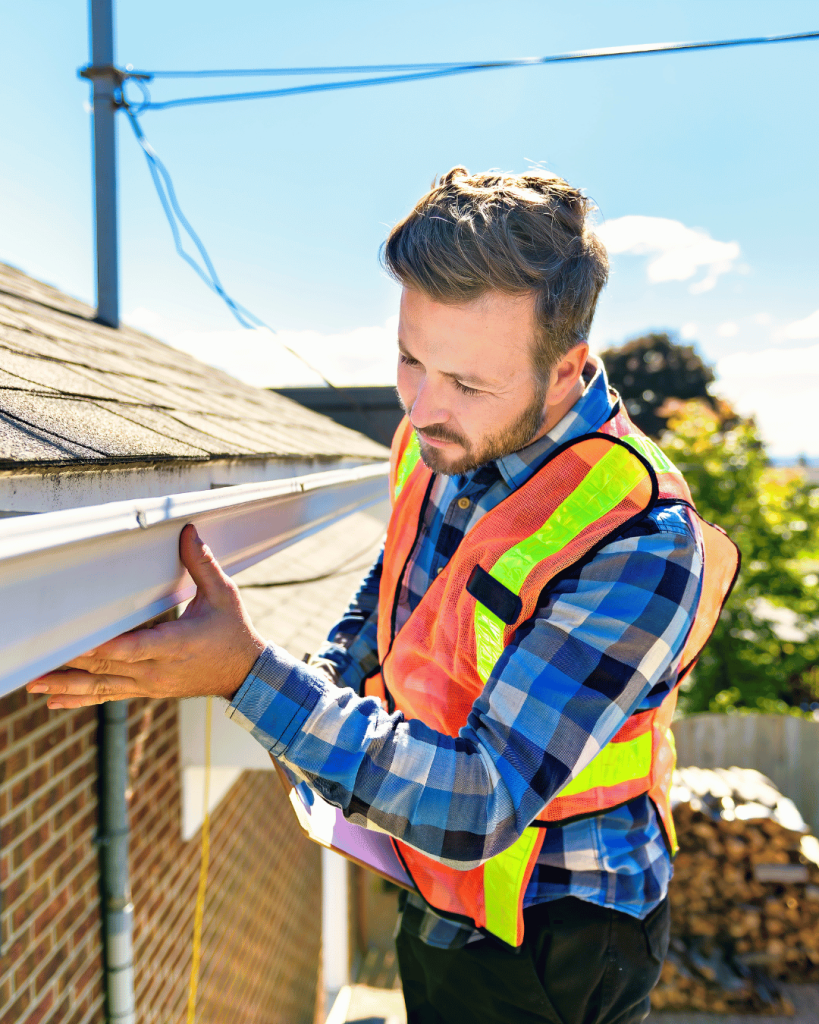
- Granules in the gutters or downspouts
3. Look inside for leaks or stains
Check your attic and ceilings for:
- Water spots
- Peeling Paint
- Damp insulation
Even small leaks can turn into major water damage. Taking immediate steps to assess hazards and protect your property can prevent further damage and reduce costs associated with potential long-term issues.
4. Schedule a professional inspection
You don’t need to guess. Many local reputable contractors offer free inspections after a storm and they know exactly what signs to look for.
They are also going to catch hidden damages that you might’ve missed in your initial inspection.
7. Repairing vs. Replacing Hail Damaged Roofs
When it comes to hail damaged roofs, homeowners in Colorado Springs often face a difficult decision: repair or replace. The choice between repairing and replacing a hail damaged roof depends on several factors, including the severity of the damage, the age and condition of the roof, and the cost of repairs.
In some cases, repairing the roof may be the most cost-effective option, particularly if the damage is minor and limited to a small area. However, if the damage is extensive or the roof is nearing the end of its lifespan, replacement may be the better option. A professional roofing contractor can provide a thorough inspection and recommend the best course of action for repairing or replacing the roof.
Homeowners should also consider the potential benefits of replacing their roof, including improved energy efficiency, enhanced curb appeal, and increased property value.
8. Why Timely Repairs Matter in Colorado Springs
In a place like Colorado Springs, waiting to fix hail damage is a gamble and it’s one most homeowners lose.
Storms don’t wait
Hail season here can stretch from April through September. That means one storm can weaken your roof, and the next can finish the job. Damage that starts as a few bruised shingles can quickly lead to leaks, mold, and structural issues.
Repairs get more expensive over time
Small, early-stage damage is usually cheap to fix. But the longer you wait, the worse it can get. Eventually that minor repair can turn into a major renovation. Delaying repairs can lead to significantly higher repair costs, as minor issues can escalate into major problems.
9. Insurance & Contractors in Colorado Springs
Dealing with hail damage isn’t just about repairs, it’s also about navigating insurance and in Colorado Springs, that process comes with its own set of challenges. It is crucial to contact your homeowners insurance company promptly after hail damage to facilitate the claims process and avoid potential delays in securing an insurance adjuster.
Local Insurance, Local Rules
Understanding your insurance provider’s specific requirements is essential. Each insurance company may have different policies and procedures, so knowing these details can help streamline your claims process.
Local Insurance, Local Rules
Many homeowners in the Springs are covered by regional providers that are well aware of the area’s storm activity. Which means they expect claims during hail season.
But here are some things to keep note of:
- Lots of people will be filing claims and it’s a first come first serve notice so don’t wait.
- Specific documentation requirements
- Claim windows depending on your provider and policy
To file an insurance claim after hail damage, start by getting a professional roof inspection and documenting the damage thoroughly. This will help secure adequate coverage and compensation for repairs.
Be sure to check your policy’s hail damage clause to make the process as smooth as possible.
Local Contractors
Having a local roofing contractor in your corner is a smart choice, because local pros can:
- Know what type of hail damage is common in the area
- Understand insurance adjuster expectations
- Can help document damage in a way that gets claims approved faster
Many offer free inspections after a storm and can even meet your adjuster on-site to ensure nothing is missed. Additionally, many local contractors provide a free estimate for any necessary repairs, making it easier to understand potential costs upfront.
Tip: Don’t Go with the First Doorknocker
After big storms, out-of-town contractors often flood into Colorado Springs. Some are legit, but many aren’t. Stick with a local, licensed company with a local track record.
Conclusion
Hail damage in Colorado Springs isn’t a rare event; it’s a reality of living here. But the good news? A little awareness goes a long way.
By knowing what to look for, acting quickly after a storm, and working with trusted local experts, you can protect your home, save money, and avoid major headaches down the road. Understanding hail damage is crucial to effectively protect your home and mitigate potential issues.
If a hailstorm recently passed through your neighborhood, don’t wait for leaks or stains to show up, take action now and stay ahead of the damage.
If you’re unsure about what to do, feel free to reach out to us here at Eagle Crest. We can inspect your home for free and guide you through anything you’re unsure about.
 Eagle Crest Construction, LLC has been a Denver construction team since 2013, with over 20 years of experience specializing in residential homes, multi-family homes and apartment buildings. We will provide fast, efficient, affordable work for any size structure up to 400+ units.
 General Manager, Eagle Crest Construction LLC
Kyle is the General Manager at Eagle Crest Construction and the author of this post. He brings hands-on experience and industry knowledge to every project.


